
A Guide to Downsizing: Prioritizing and Maximizing Space with Clever Quarters
Embrace the simplicity and efficiency of downsizing. Our guide provides you with practical steps and creative ideas to help you prioritize, declutter, and make the most of your space. Transform your home with Clever Quarters' expert advice

Downsizing your home can be a transformative and liberating experience, but it comes with its own set of challenges. Whether you're an empty-nester looking to simplify your lifestyle or someone seeking a smaller footprint, careful planning is essential to make the downsizing process smooth and efficient.
What is the Best Age to Downsize Your Home
Determining the optimal age for downsizing your home depends on various factors, including lifestyle, preferences, and future plans. While there isn't a one-size-fits-all answer, many individuals find downsizing beneficial during retirement to simplify their living arrangements. Young professionals may also opt for downsizing to embrace minimalist living. Explore the ideal age for your unique circumstances to make the downsizing process seamless and rewarding.
What to Avoid When Downsizing
Ignoring the Emotional Aspect: Downsizing often involves letting go of possessions tied to memories. One common mistake is neglecting the emotional aspect of parting with belongings. Acknowledge the sentimental value, and consider capturing memories through photographs or mementos.
Underestimating Storage Needs: A common pitfall is underestimating the storage requirements for essential items. This is where Clever Quarters comes into play. As experts in custom cabinetry, Clever Quarters offers innovative solutions to maximize every inch of your space. Allowing a seasoned professional to guide you through the process will help you make informed decisions for your new home and new lifestyle.
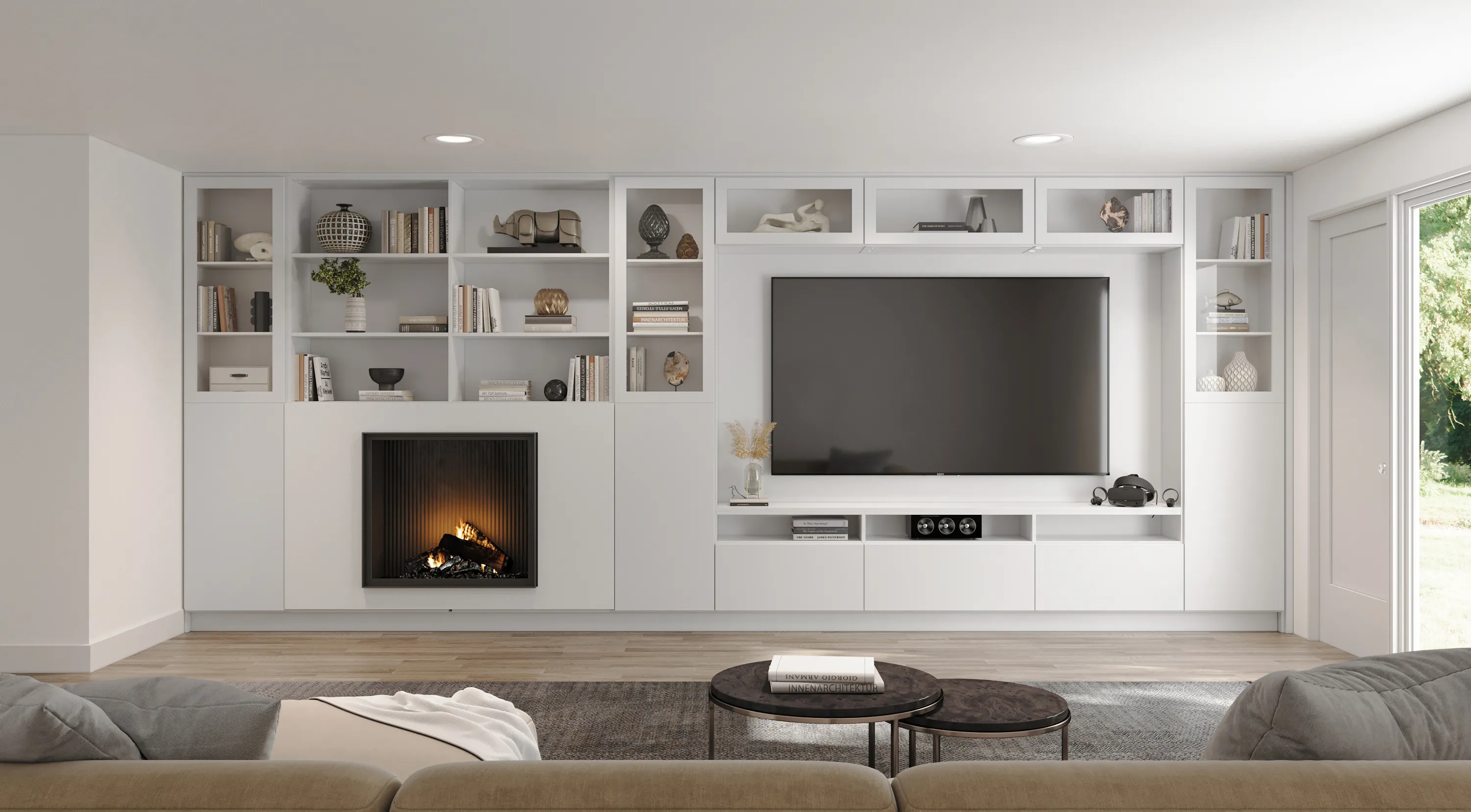
Preserving Your Previous Lifestyle: When you are downsizing into a different style of dwelling, many things will change. These changes can be liberating. The tools you require to maintain your space will evolve, as well as the way you function in your day-to-day household activities and social engagements. Considering these elements will aid in a smooth transition.
A Checklist for Downsizing
1. Take the Necessary Measurements
Before the move, take measurements of your new home and your existing furniture. This step is essential for organizing the layout and ensuring you don’t transport items that will not fit.
Tip: If you are planning any improvements, upgrades or large purchases, arrange a site visit prior to possession to acquire detailed measurements. When possible, arrange for the tradesperson or service provider to be present for this visit.
2. Declutter Room by Room and Prioritize Essentials
Begin the decluttering process systematically, starting with smaller rooms and progressively advancing to larger spaces. As you hone your decluttering skills in smaller areas, you'll become more adept when tackling larger rooms. Start by identifying and prioritizing essential items. Keep what adds value to your life, and consider donating or selling items that no longer serve a purpose.
Reflect on the shifts in your lifestyle. Belongings that once felt indispensable might not carry the same significance anymore.

3. Questions to ask yourself when downsizing:
- Is this a fit for my new lifestyle and space?
- How frequently will I utilize this item?
- Can this be made more compact or efficient?
Tips: There are some churches and charities that will pick up donated items free of charge, and most junk removal services will recycle and donate what they can.
4. Take Inventory of Significant Items
Moving to a new home is a significant undertaking, and taking inventory of your household items beforehand can streamline the process and ensure a smooth transition. Supplement your written inventory with photographs. Capture images of significant items, serial numbers, and key measurements. These visuals serve as additional documentation and can be beneficial for insurance claims.
5. Prepare and Plan
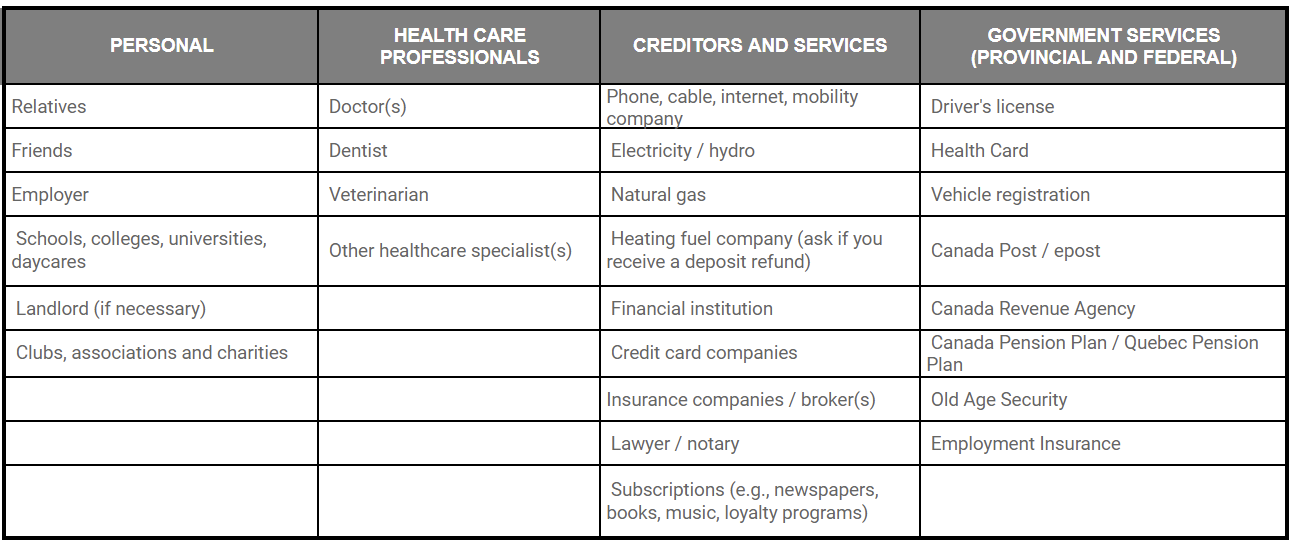
Along with the multiple address changes and moving truck reservations, you will need to devise a plan for utilizing your downsized space.
Trade Traditional for Transformational
Reevaluate how you utilize your space to optimize the efficiency of downsizing. Custom closets and cabinetry can elevate the look and functionality of a smaller space.
Multifunctional elements, like Murphy beds, will seamlessly convert a spare room from a home office to a guest room. A blank wall can become versatile storage for media, literature, and dishware, increasing your storage potential while maintaining a clutter-free esthetic. By incorporating these innovative solutions, you not only enhance the functionality of your downsized space but also elevate its visual appeal.

How to Start Packing for Downsizing
Packing for a downsizing move requires strategic planning to ensure the unpacking process is seamless and organized.
Start Early and Prioritize: Begin the packing process well in advance of your move. Prioritize items based on their frequency of use and importance. If you are packing several weeks in advance, you should start with items you do not anticipate using before your move.
Categorize Items: Organize your belongings into categories, such as clothing, kitchenware, electronics, and personal items. This categorization will make unpacking room by room more manageable.
Label Clearly: Follow a systematic approach by packing one room at a time. Clearly label each box with the room it belongs to and a brief description of its contents. Use color-coded labels or a numbering system to make identification quick and easy. This will streamline the unpacking process, allowing you to focus on one area at a time.
Create an Essentials Box: Identify essentials you'll need immediately upon arrival at your new home. Label this box as “Unpack First”. This could include toiletries, dish and hand soap, paper towels, scissors, important documents, and basic kitchen utensils.
Coordinate Furniture Placement: If possible, plan the layout of your furniture in advance. Communicate your vision to the movers so they can place items in the designated rooms, making the unpacking process more efficient.
Conclusion: Reflecting on the Journey of Downsizing
As we conclude this guide, reflect on the journey of downsizing as not just a change in your living space, but as a transformation in your lifestyle. Embracing a downsized life means prioritizing what's truly important, leading to a more focused, organized, and fulfilling existence. Remember, Clever Quarters is here to guide and support you every step of the way. We hope this guide has been enlightening and empowering, helping you navigate your downsizing journey with confidence and ease.
Frequently Asked Questions
About The Author

Cristy is the Chief Operating Officer at Clever Quarters. She has over seven years of experience with the company, advancing from Customer Service and Operations Manager to a key leadership role. Her expertise in customer service and operations management contributes to Clever Quarters' success. Outside of work, Cristy is actively engaged in her community, balancing her professional life with being a mother and a dedicated sports coach for soccer and softball teams.
Ready to Transform Your Space?
An organized home is closer than you think. It all starts with a friendly conversation about the possibilities for your space. Contact us today to schedule your complimentary, no-obligation design consultation with one of our expert designers.

Related Posts
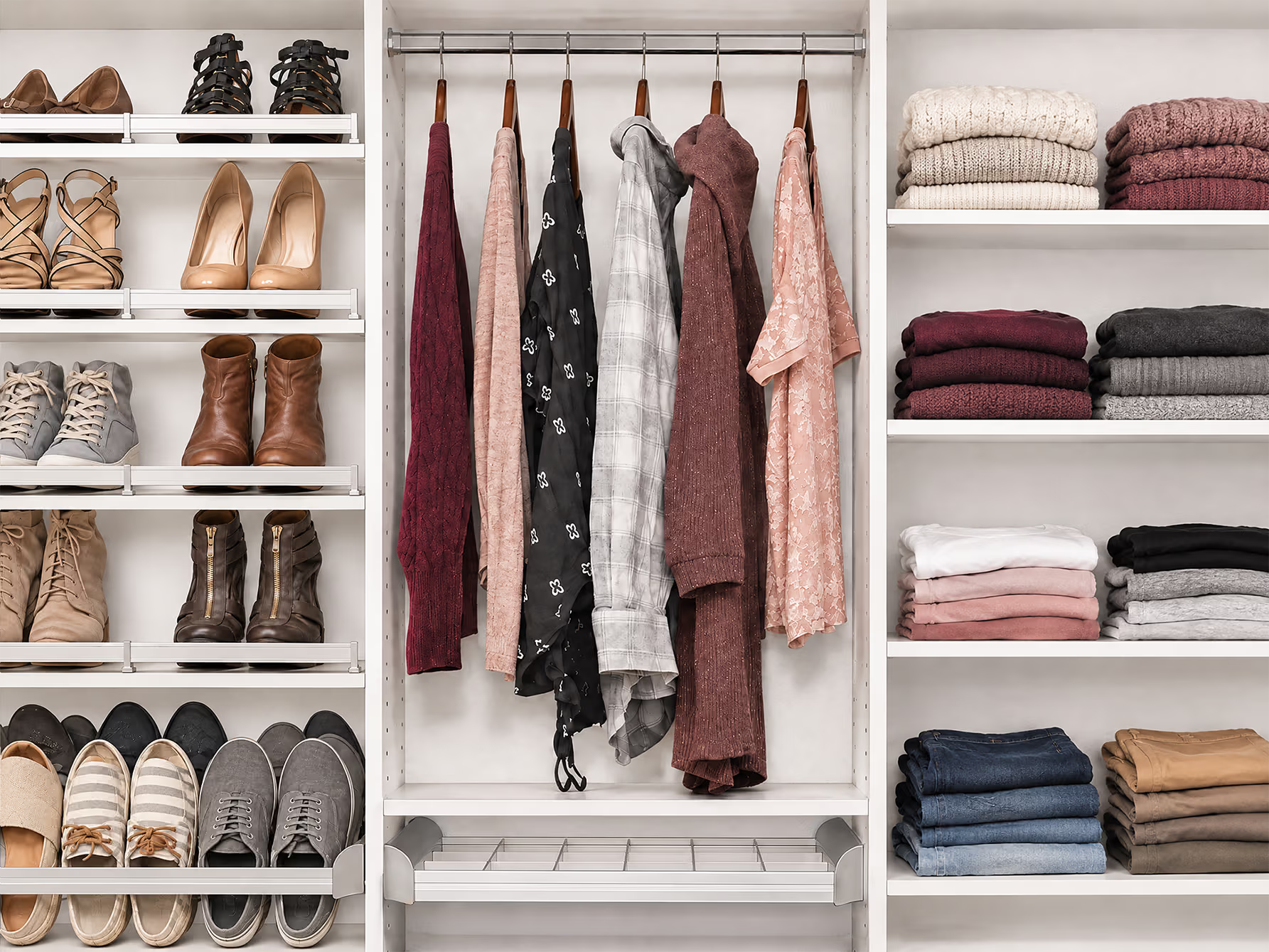
Closet Shelf Depth: Why 14 Inches Suits Most Closets
The standard closet shelf depth we build to is 14 inches. It holds folded clothes and most shoes in a single visible row, works for hanging, and lets each section change function later. Deeper shelves add a hidden back row more than they add storage.
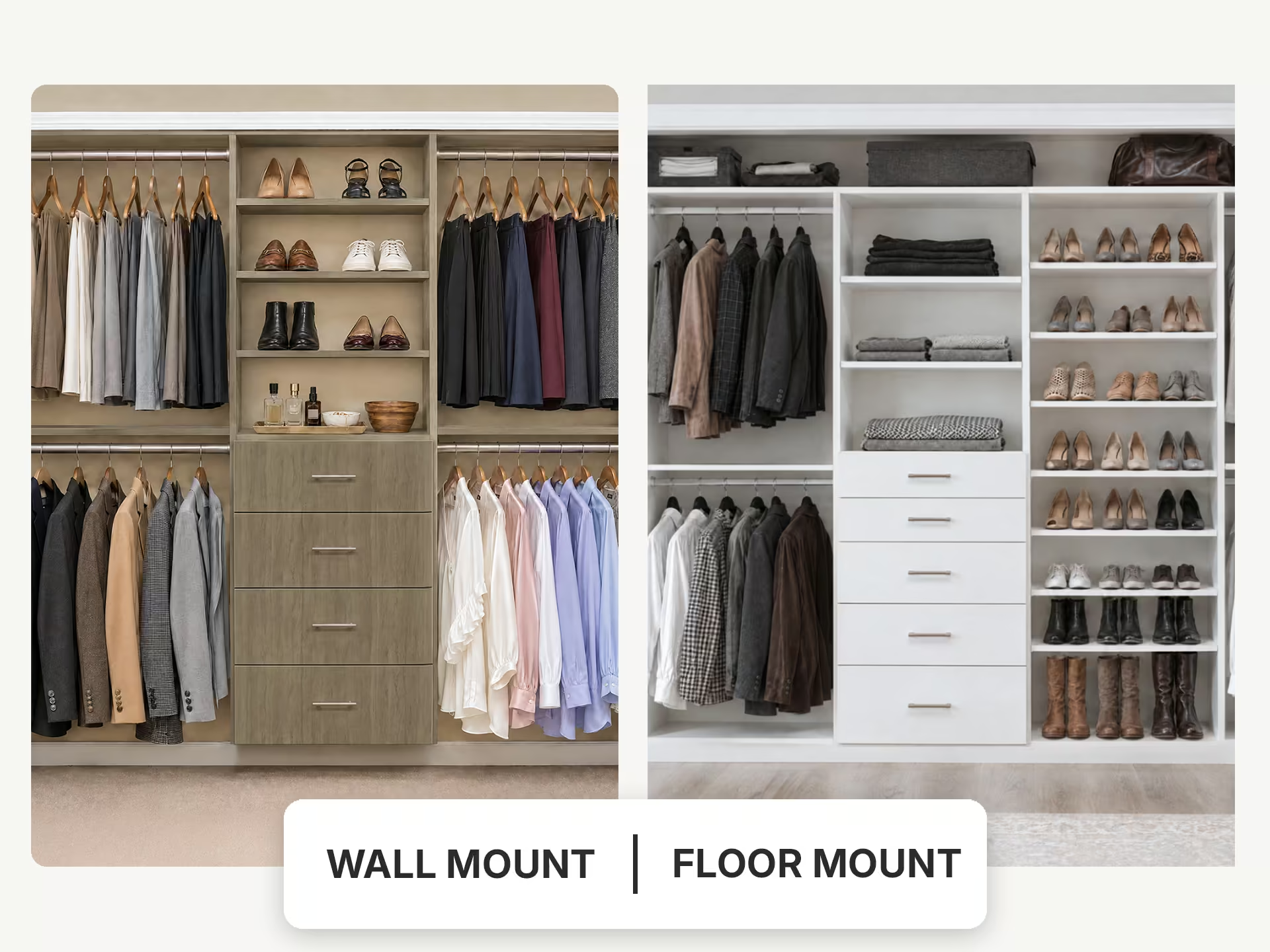
Wall Mount vs Floor Mount Closet: Which One Is Right for You?
A wall mount closet hangs from a steel rail and floats above the floor. A floor mount closet sits on a toe kick base. On the same design, wall mount generally costs 15 to 20 percent less, while floor mount suits sections deeper than 14 inches and heavy storage.
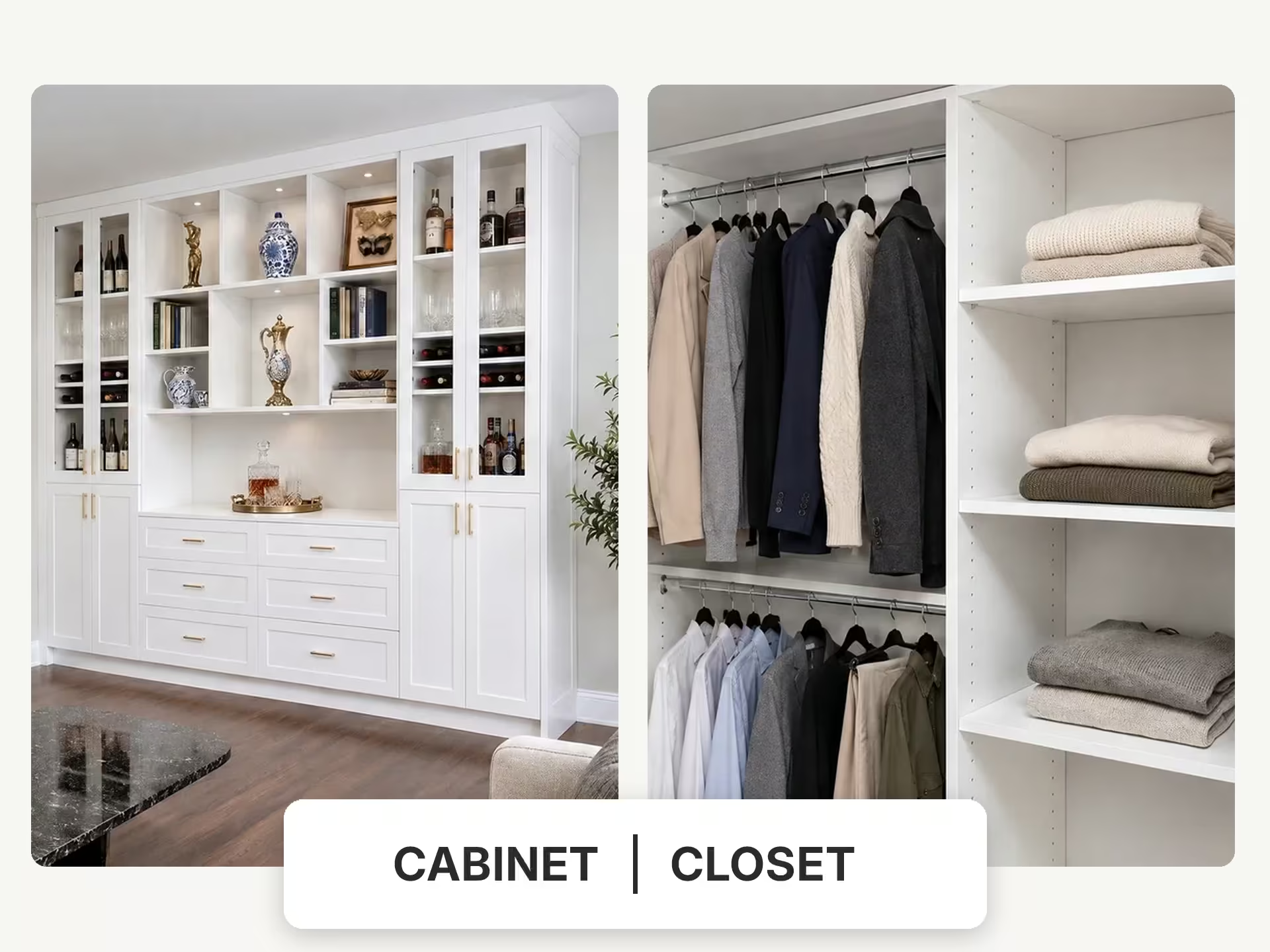
Closet System vs Cabinet: What Is the Difference?
A cabinet is a finished box built in a workshop and placed in a room. A closet system is a set of standardized panels assembled inside the closet and fixed to the walls, which is why sections share partitions, there is no back panel, and the panels have rows of holes.

